Heat Wise Queensland
Home
Who We Are
Heatwaves
Heat Illness
Sun Safety
Resources
Sun Safety
Practical guidance to help you stay safe during Queensland's hottest days.


Sun safety is about raising educational awareness on how to best protect our bodies, specifically our skin from overexposure to the sun and damaging Ultraviolet Radiation (UVR) which can lead to skin cancer. Many of us know we should incorporate sunscreen into our daily skincare routine, but do we truly understand why and what can happen if not applied appropriately? Whilst we all love to lounge around in the sun, we often do not understand the long-term damage and consequences that sunburns and tanning can have on our skin.
In 2024, the Australian Bureau of Statistics showed that Melanomas and other malignant skin cancers were in the top 20 leading causes of death in specifically males in Australia.1 This shows the importance of evidence-based sun safety practices and how essential these are for maximising sun protection and minimizing easily avoidable health complications.
Sun Safety
Ultra Violet Index4
The UV Index tells you how much protection you need before
going outside.
Low
(1-2)
Moderate (3-5)
High
(6-7)
Very high (8-10)
Extreme (11 +)

When the UV Index reaches 3 or above, sun protection is recommended.

Understanding UV radiation
Ultraviolet (UV) is energy produced by the sun and there are multiple different types such as visible light, Infrared radiation and Ultraviolet radiation (UVR).2 UVR is undetectable without technology/applications and in Australia we are exposed to some of the highest levels of UV radiation in the world and often unaware of its effects.3
The UV Index (UVI) is a tool developed to determine the level of protection required from the sun based on the levels of radiation at that present time. The UVI ranges from 0 - 11, where 0 is the lowest and 11 is extreme levels of radiation.2
Different types of UV radiation:
UVA: moderate to high risk.
This UV can cause sunburns, DNA skin cell damage and skin cancer.
UVB: Medium risk.
This UV can cause skin damage and skin cancer.
UVC: Extreme risk.
This is the most dangerous type of UV.
Skin Cancer Prevention
Skin cancer is a concerning epidemic in Australia as at least 2-3 individuals will be diagnosed with skin cancer in their lifetime.6 Prevention always beats intervention/treatment and therefore equipping individuals with the appropriate knowledge as to how UV radiation damages their skin and leads to further complications is vital. This means understanding the different types of UV and how different UV levels should determine the level of protection used to fight against skin damage. With the correct protection strategies, mentioned above we can avoid unnecessary damage to our skin and long-term health implications.
Protect Yourself in the Sun

Choose the Right Sunscreen
Using the right sunscreen is one of the most effective ways to protect your skin from harmful UV radiation.
Look for a sunscreen that is:
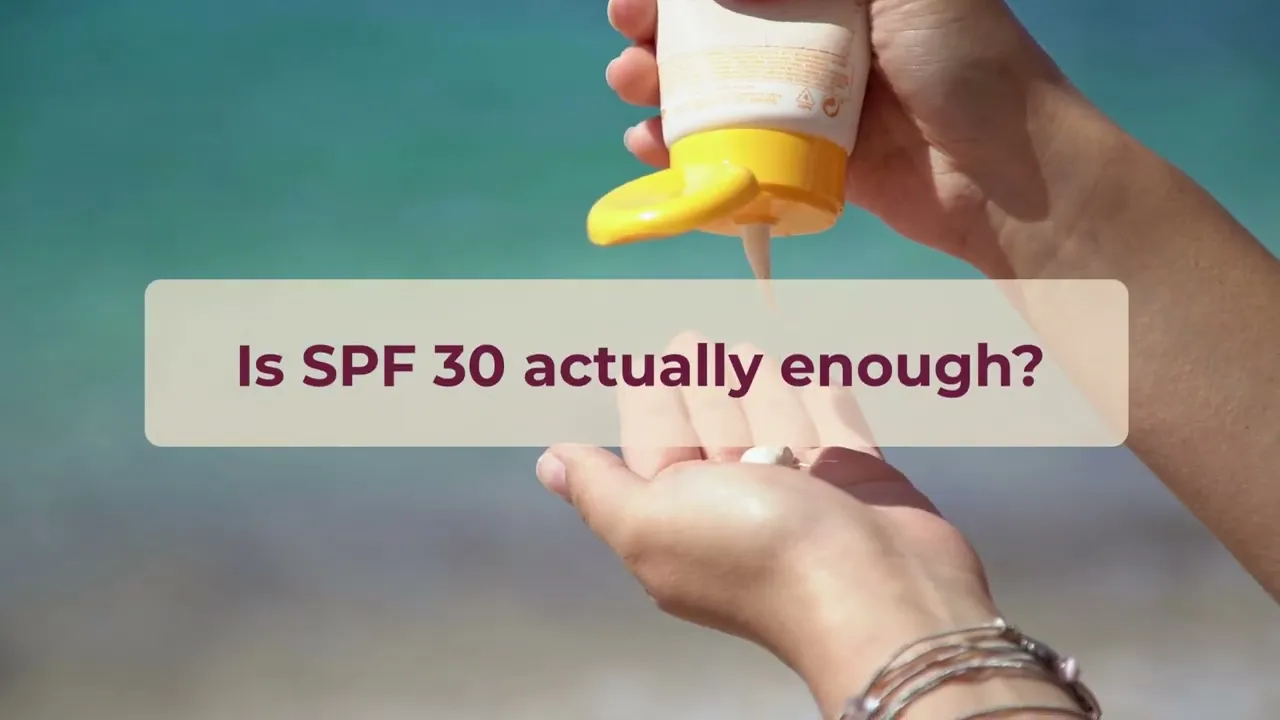
SPF 30+ or higher (SPF 50+ is recommended and blocks approximately 98% of UV radiation.)⁵
Broad-spectrum
Water resistant
Applied whenever the UV Index is 3 or above⁵

Apply Sunscreen Correctly
Even the best sunscreen is only effective if it is applied correctly.
Remember to:
Apply sunscreen 20 minutes before going outside.⁵
Reapply every 2 hours, or more often after swimming or heavy sweating.⁵
Use approximately 35 mL for a full body application:
½ teaspoon to each arm
½ teaspoon to the face and neck
Over 1 teaspoon to each leg
Over 1 teaspoon to the front of the body
Over 1 teaspoon to the back⁵
Check the expiry date and store sunscreen below 30°C.⁵

Use More Than Sunscreen
Sunscreen works best when combined with other protective measures.
Protect yourself by:
Wearing a wide-brimmed hat that covers your face, ears and neck.
Wearing UV-protective sunglasses.
Wearing long-sleeved clothing where possible.
Seeking shade or using an umbrella during the hottest parts of the day.

Debunking sun safety myths:
UVR can influence different skin complexions differently
All skin complexions require sunscreen for protection
The UV can still be high on a ‘cloudy day’ or during winter seasons – always check the UV
Sunscreen must be reapplied every 2 hours – more often than you think
Half a teaspoon to each arm and the face, over one teaspoon to each leg, front of the body and back.
References
Australian Bureau of Statistics. Causes of Death, Australia, 2024. Australian Bureau of Statistics. Published November 14, 2025. Accessed June 26, 2026. https://www.abs.gov.au/statistics/health/causes-death/causes-death-australia/latest-release
Cancer Council Australia. UV Index. Cancer Council Australia. Accessed June 26, 2026. https://www.cancer.org.au/cancer-information/causes-and-prevention/sun-safety/uv-index#what-is-uv-radiation
SunSmart. UV Radiation: Know Your UV. SunSmart. Accessed June 26, 2026. https://www.sunsmart.com.au/uv-radiation#know-your-uv
Cancer Council Australia. UV Index: Follow the Five SunSmart Steps Whenever the UV Is 3 or Above. Cancer Council Australia. Accessed June 26, 2026. https://www.cancer.org.au/cancer-information/causes-and-prevention/sun-safety/uv-index#follow-the-five-sunsmart-steps-whenever-the-uv-is-3-or-above
Australian Radiation Protection and Nuclear Safety Agency. Sun Protection and Sunscreen. ARPANSA. Accessed June 26, 2026. https://www.arpansa.gov.au/understanding-radiation/radiation-sources/more-radiation-sources/sun-protection-sunscreen
Cancer Council Australia. Skin Cancer Incidence and Mortality. Cancer Council Australia. Accessed June 26, 2026. https://www.cancer.org.au/about-us/policy-and-advocacy/prevention/uv-radiation/related-resources/skin-cancer-incidence-and-mortality#skin-cancer-in-australia
Home
Heat Basics
Prevention
Heat Illness
Resources
Quick Links
Emergency & Help
Official resources
Practical tools
Vulnerable people
Downloads
Resources
Practical, evidence-based heat health information for Queensland communities.
Heat Wise Queensland


Heat Wise Queensland acknowledges the Kombumerri people of the Yugambeh language region as the Traditional Custodians of the land on which we live and work.
Always was, always will be.