
Heat Wise Queensland
Home
Who We Are
Heatwaves
Heat Illness
Sun Safety
Resources
Heat Illness
Be prepared for Queensland’s warm spring and summer months.

In recent years, Queensland has consistently experienced hotter temperatures than previous annual averages, increasing the risk of dehydration and heat-related illness.1Whether you’re exercising outdoors, working in the heat, spending time at the beach, or simply going about your day, staying hydrated is one of the most important ways to protect yourself.

Emergency & Urgent Help
If someone has signs of heat stroke or severe dehydration,
call 000 immediately.
Dehydration
Dehydration occurs when your body loses more fluid than takes in. Your body naturally loses fluids through sweating, breathing, and urination, but hot weather, exercise and illness can increase these losses significantly.
It is important to recognise the early signs of dehydration, as untreated dehydration can progress to heat exhaustion or heatstroke, which can become medical emergencies.2

Common causes of dehydration include:
Spending long periods in hot or humid weather
Exercise, sport, or physical work
Heavy sweating
Not drinking enough water throughout the day
Vomiting or diarrhoea

You can reduce your risk of dehydration by:
Drinking water throughout the day, even before you feel thirsty.
Increasing your fluid intake during hot weather or when exercising.
Taking regular breaks in cool or shaded areas when outdoors.
Replacing fluids lost through prolonged sweating or illness with an oral rehydration solution or electrolyte drink when appropriate.2-3

Five common signs of dehydration:
Extreme thirstiness
Persistent thirst is often your body’s first signal that you need more fluids.
Dark urine
Dark yellow urine, particularly if you are passing less urine than usual, may indicate dehydration.
Dizziness
Headache
Dry mouth, lips, and tongue
Low fluid levels reduce blood volume, making you feel dizzy or faint.
Dehydration can reduce blood flow to the brain and contribute to headaches or difficulty concentrating.
Reduced fluid levels can decrease saliva production, causing a dry or sticky mouth and cracked lips.2
How to treat dehydration?
Severe Dehydration
Mild dehydration
If symptoms are mild:
Seek urgent medical attention if you or someone else experiences:
Confusion or unusual drowsiness
Fainting
Rapid breathing or a fast heart
Very little or no urine
Symptoms of heat exhaustion or heatstroke
Sip water regularly
Rest in a cool, shaded, or air-conditioned place
Drink an oral rehydration solution or electrolyte drink
Remove or loosen excess clothing
Avoid alcohol and limit caffeinated beverages until you are fully rehydrated
Extreme heat and dehydration can be a dangerous combination.
Two of the most common heat-related illnesses are heat exhaustion and heat stroke. Being able to recognise the signs could save your life or someone else's.
Heat Exhaustion
Heat Exhaustion

What is heat exhaustion?
Heat exhaustion happens when your body overheats and can no longer regulate its temperature properly.1 If you experience a combination of high temperatures, physical activity, and not drinking enough water, you might be at risk of heat exhaustion.1

Symptoms to watch out for1:
Body temperature of 38–39°C
Heavy sweating and pale skin
Persistent muscle cramps
Headache, nausea or vomiting
Fatigue and increased heart rate
Fainting or poor coordination
Extreme thirst

What to do if you think you may have heat exhaustion2:
Move to a cool place and lie down
Remove excess clothing
Cool your body down:
Try a cool shower, damp cloths on your forehead, wrists, neck, underarms and groin, or a fan
Drink small sips of cool water or diluted juice
If you're not recovering quickly, or you start vomiting, seek emergency medical help immediately. Heat exhaustion can progress to heat stroke in less than 30 minutes if left untreated.3
Heat Stroke

What is heat stroke?
Heat stroke is a medical emergency. It occurs when the body completely loses its ability to regulate temperature, causing a dangerous and rapid rise in core body temperature (above 40.5°C).4 If you suspect heat stroke, call 000 immediately.
Symptoms to watch out for1:
Sudden rise in body temperature (above 40.5°C)
Hot, dry skin
Rapid pulse and breathing
Intense thirst and dehydration
Nausea and vomiting
Confusion, slurred speech or unusual behaviour
Loss of consciousness, seizures or coma
What to do while waiting for help1:
Call 000
Move the person to a cool, shaded area
Remove unnecessary clothing
Keep their skin wet. Use a spray bottle, damp cloth, or wrap ice in a towel and place it on their neck and chest
Give water only if they are fully conscious and able to swallow
Monitor their breathing
Do not give fluids to someone who is unconscious or confused, as they may not be able to swallow safely.2
Remember: Any change in mental status (i.e. confusion, disorientation, slurred speech, seizures, loss of consciousness) indicates heat stroke and is a medical emergency.4
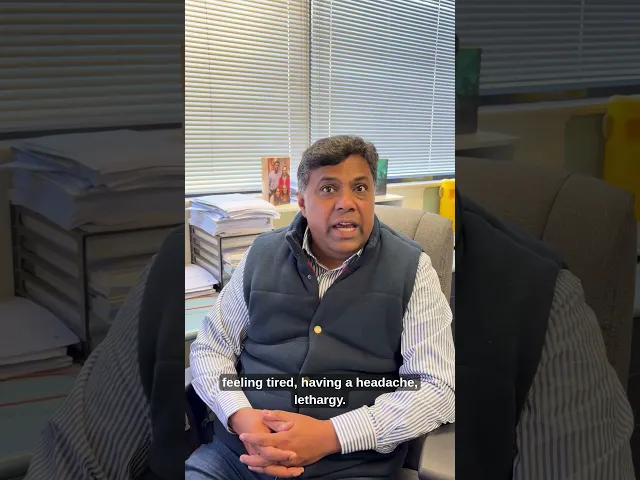
A GP Explains Heat Stroke
References (dehydration)
1. Queensland Government. Mean annual temperature. 2024. Accessed June 26, 2026. https://www.stateoftheenvironment.detsi.qld.gov.au/climate/climate-observations/mean-annual-temperature
2. Queensland Health. Dehydration – the condition all Queenslanders need to be aware of. November 25, 2024. Accessed June 26, 2026. https://www.health.qld.gov.au/newsroom/features/dehydration-the-condition-all-queenslanders-need-to-be-aware-of
3. Queensland Government. How to keep cool and stay hydrated. Accessed July 3, 2026. https://www.qld.gov.au/health/staying-healthy/environmental/heatsafe/how-to-keep-cool
Australian Centre for Disease Control. Coping with heatwaves. Canberra: Australian Government; Available from: https://www.cdc.gov.au/advice/coping-heatwaves
2. Queensland Government. Heat-related illness. Brisbane: Queensland Health; Available from: https://www.qld.gov.au/health/stayinghealthy/environmental/heatsafe/heat-related-illness
3. McKnight J, Heger E. Heat exhaustion vs. heat stroke: key differences and how to prevent heat-related illness [Internet]. New York: Insider; 2022 Jul 26. Available from: https://www.proquest.com/docview/2694481937?accountid=26503&sourcetype=Blogs,%20Podcasts,%20&%20Websites
4. Gauer R, Meyers BK. Heat-related illnesses. Am Fam Physician. 2019;99(8):482-9.
Home
Heat Basics
Prevention
Heat Illness
Resources
Quick Links
Emergency & Help
Official resources
Practical tools
Vulnerable people
Downloads
Resources
Practical, evidence-based heat health information for Queensland communities.
Heat Wise Queensland


Heat Wise Queensland acknowledges the Kombumerri people of the Yugambeh language region as the Traditional Custodians of the land on which we live and work.
Always was, always will be.